

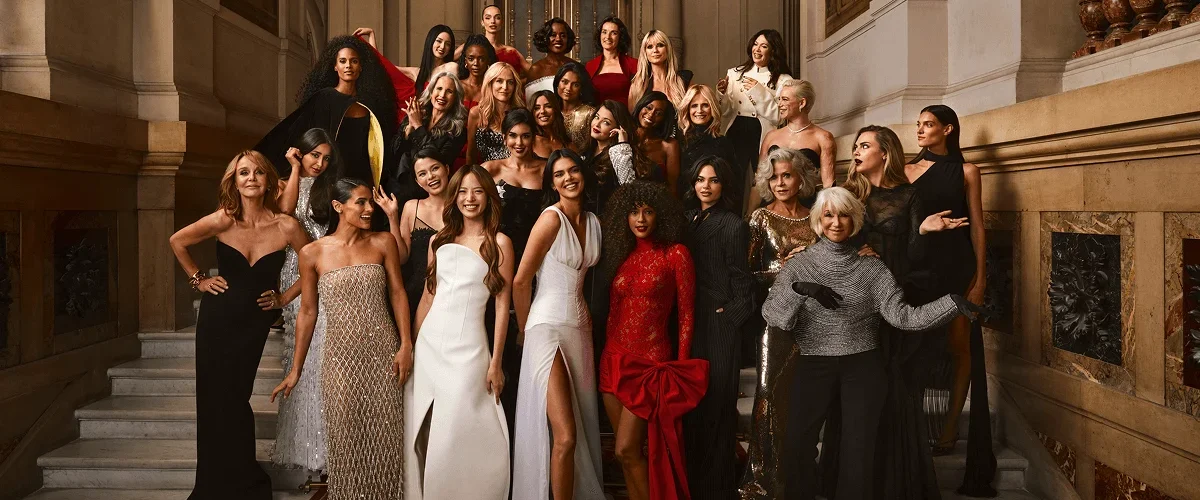
L’Oréal is the world’s largest cosmetics company, known for science-led innovation, a vast portfolio of affordable to luxury beauty brands, and a century-long push to make effective beauty accessible worldwide.
A Century of Beauty Science
L’Oréal began in 1909 when French chemist Eugène Schueller developed a safer, more effective hair dye called l’Auréale and founded the Société Française de Teintures Inoffensives pour Cheveux (Safe Hair Dye Company of France). The brand name L’Oréal evolved from that original product and became the official company name in 1939, the same year it established its Paris headquarters. From those early hair-color roots, L’Oréal expanded into shampoos, skincare, makeup, fragrance, and professional salon products, eventually growing into a global group with tens of thousands of employees and sales in the tens of billions of euros.
What L’Oréal Cosmetics Actually Includes
When people say “L’Oréal cosmetics,” they often mean the consumer-facing L’Oréal Paris brand—but the L’Oréal Group owns dozens of complementary brands across different price points and categories. Its portfolio spans:
- Mass-market beauty: L’Oréal Paris, Garnier, Maybelline New York, NYX Professional Makeup, and more.
- Luxury beauty: Lancôme, Yves Saint Laurent Beauté, Kiehl’s, Helena Rubinstein, and others.
- Professional products: L’Oréal Professionnel, Kérastase, Redken, and additional salon-focused lines.
- Active cosmetics/dermatological: La Roche-Posay, Vichy, CeraVe, SkinCeuticals, and related skincare brands.
This structure lets the group serve drugstore shoppers, dermatology patients, salon clients, and luxury buyers with different needs but shared R&D insights.
Innovation: From Lab to Shelf
L’Oréal positions itself as a science-first beauty company, investing heavily in research and innovation and maintaining one of the industry’s largest databases on skin, hair, and scalp. In recent years the group has reported annual R&I spending of over €1.3 billion and hundreds of new patents each year, covering everything from active ingredients to sustainable formulation methods.
Key innovation themes include:
- Green Sciences: shifting formulas toward plant-based, mineral, and circular ingredients and designing products that are respectful of aquatic ecosystems.
- Safety without animal testing: L’Oréal has worked on reconstructed skin models since 1989 and continues to develop advanced bioprinted skin technologies to assess safety and efficacy.
- Data-driven personalization: using large beauty datasets and digital tools to tailor recommendations and product performance to different skin tones, hair types, and climates.
Sustainability and Responsibility
L’Oréal’s “L’Oréal for the Future” program sets ambitious 2030 targets, including sourcing the vast majority of ingredients from renewable plants, abundant minerals, or circular processes and ensuring formulas do no harm to freshwater and coastal aquatic ecosystems. Progress reports show steady movement toward these goals, with a majority of ingredients already bio-based or derived from renewable sources and ongoing work on water recycling, eco-designed packaging, and traceable supply chains.
The company also emphasizes social impact initiatives, from supporting women in science to backing sustainable startups through accelerator programs aimed at greener beauty innovation.
Why L’Oréal Matters for Beauty Lovers
For everyday consumers, L’Oréal’s scale means:
- Access to trend-forward products (from viral mascaras to serums) at mass-market prices.
- Dermatologist-recommended skincare with clinically tested actives under brands like La Roche-Posay and CeraVe.
- Continuous formula upgrades driven by shared research across luxury, professional, and consumer lines.
For the beauty industry, L’Oréal functions as both a trendsetter and a validator: when it invests in a new ingredient, technology, or sustainability method, it often becomes a standard others follow.
The Bottom Line
L’Oréal cosmetics represent more than a single brand; they’re the output of a 115+ year-old science and innovation engine that powers everything from drugstore makeup to high-end skincare. Whether you’re drawn to affordable foundations, clinical serums, or salon-grade hair care, much of what you use likely traces back to L’Oréal’s research, sustainability commitments, and global brand ecosystem.